Both are designed to support safer working at height, but they cover very different types of access equipment.
In this guide, we break down the key differences, what each course involves and which certification is right for your role.
IPAF vs PASMA: the quick answer
Both IPAF and PASMA help keep workers safe at height, but they cover different equipment.
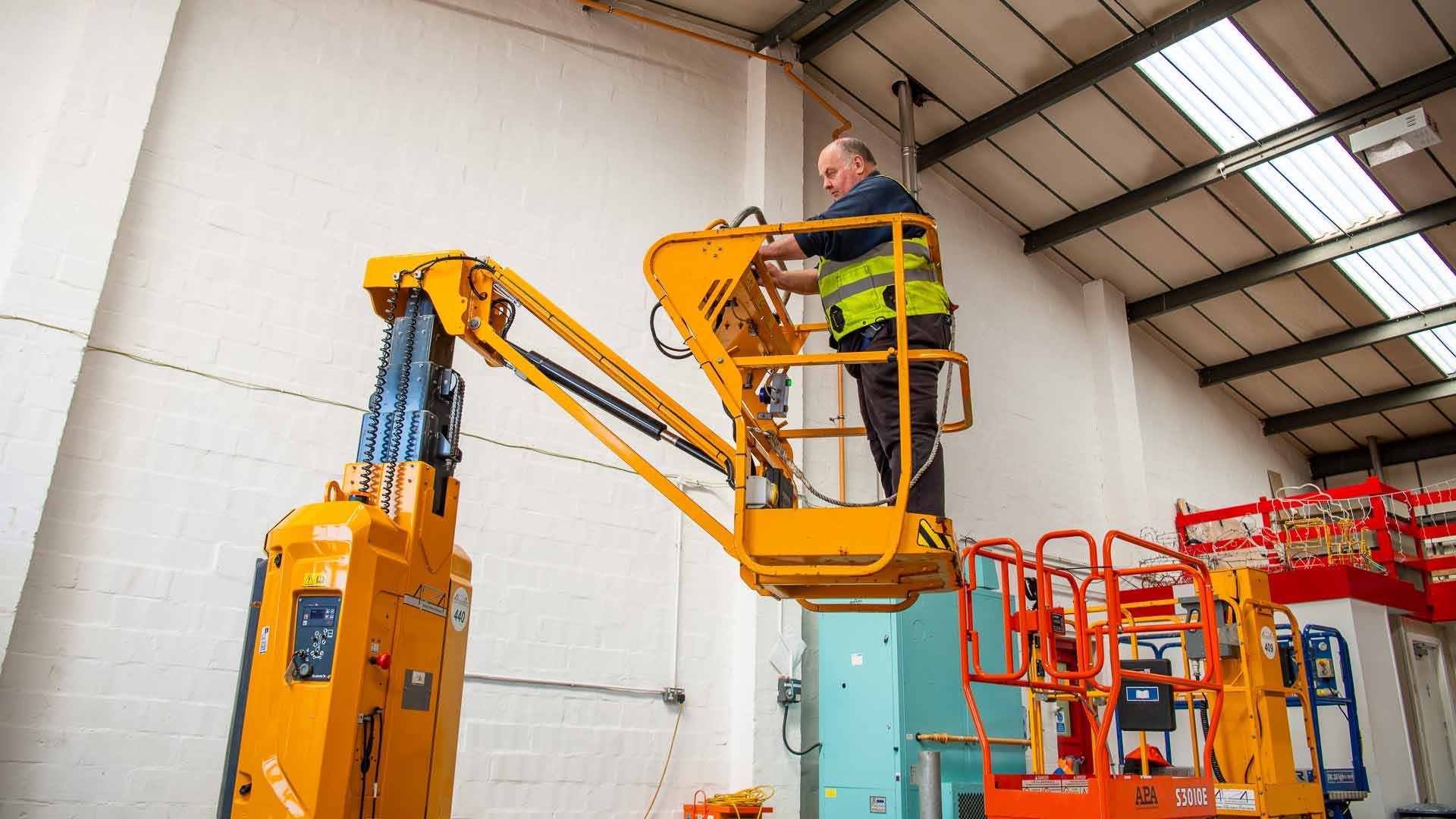
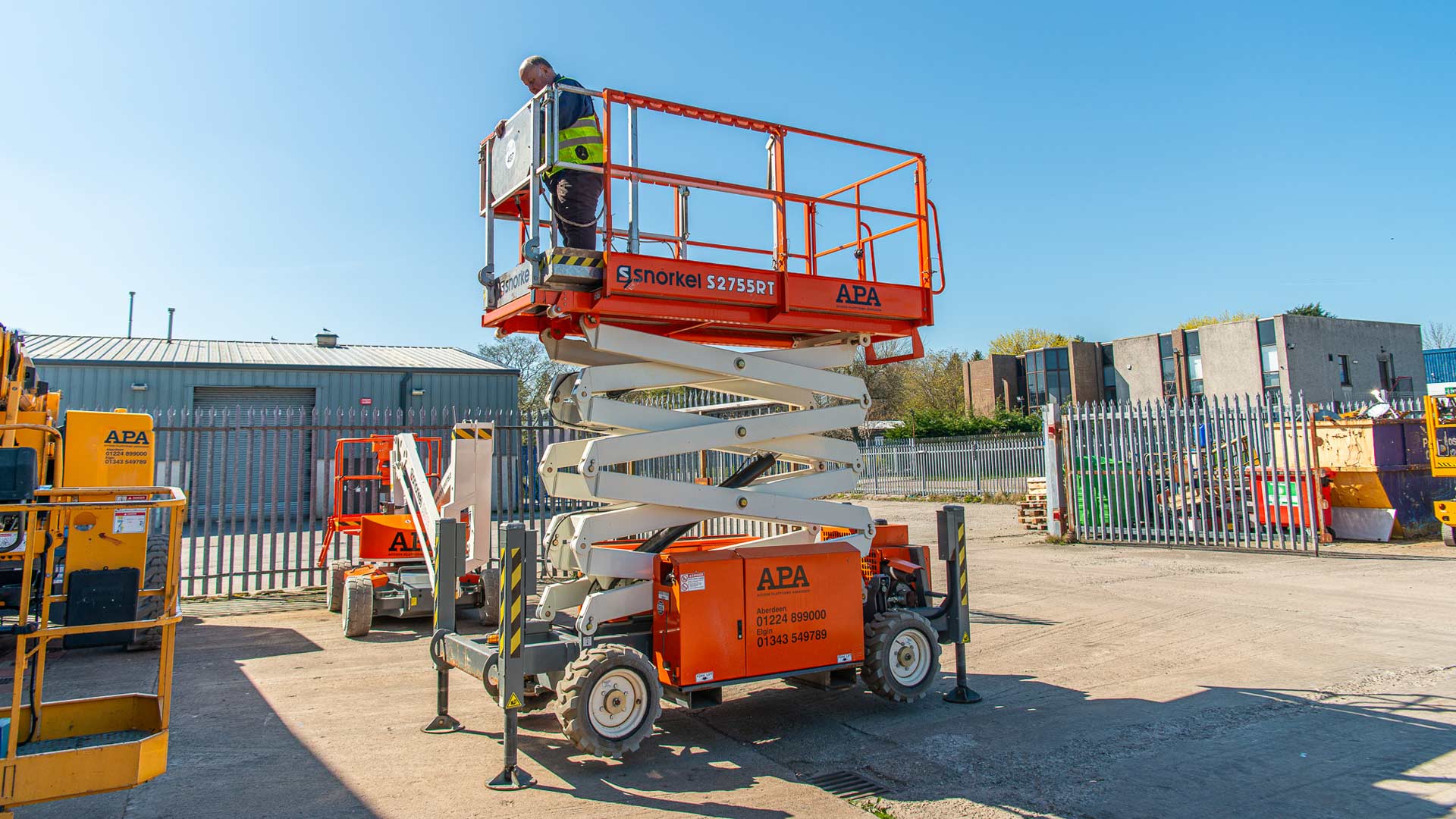
IPAF training is for powered access machinery such as cherry pickers and scissor lifts.
PASMA training covers the safe assembly, inspection and dismantling of mobile access towers (scaffolding).
What does IPAF training cover?
IPAF training is split between theory and practical learning to ensure the operator has both the health and safety and risk understanding as well as the hands-on knowledge to ensure safety while working at height.
The theory sessions include training in health and safety law, accident prevention, machine categories, site risk assessments and a theory test.
Meanwhile the practical sessions cover pre-use inspections, function testing, safe manoeuvring, elevating and positioning, emergency procedure and harness safety.
By ensuring employees obtain their IPAF certification, employers can also benefit from lower insurance, better productivity and easier verification of worker competence.
What is involved in PASMA training?
PASMA training is normally a one-day course that combines classroom theory and hands-on practical experience and includes two mandatory exams.
All courses are designed to provide you with the essential information you need to be able to set up, check and sign off, and dismantle mobile towers and access equipment safely on site and at home. By completing a PASMA training course, it means you are up to date on the latest regulations and legislations for working safely at height.
How long do IPAF and PASMA certification last?
Once you pass your IPAF training, you will receive a PAL Card which remains valid for five years. The renewal process involves completing a refresher course to show that you still meet IPAF’s competency standards and are aware of any new safety regulations or equipment developments.
PASMA certification is valid for five years where you will receive a PASMA PhotoCard and access to the PASMA app. Once that five-year period is over you will need to re-sit the training courses again.
Do I need IPAF, PASMA or both?
The right training depends on the work you are responsible for and the equipment you use on site.
If your role only involves one type of access equipment, you may only need the relevant certification. However, if your job includes a mix of powered access and mobile access towers, holding both IPAF and PASMA certification may be required.
Employers should consider the tasks being carried out, the equipment used and the level of responsibility involved when deciding which training is appropriate.
If you are unsure which course you need, APA can help you choose the right training for your role.
Booking in your IPAF or PASMA training course with APA
APA delivers accredited IPAF and PASMA training for individuals and businesses looking to work safely and confidently at height.
Whether you know which course you need or would like some guidance before booking, our team can help you find the right training for your role and equipment.
Get in touch with APA today to discuss your training requirements or find out more about our full range of courses.